AI Driven AV Solutions and IoT
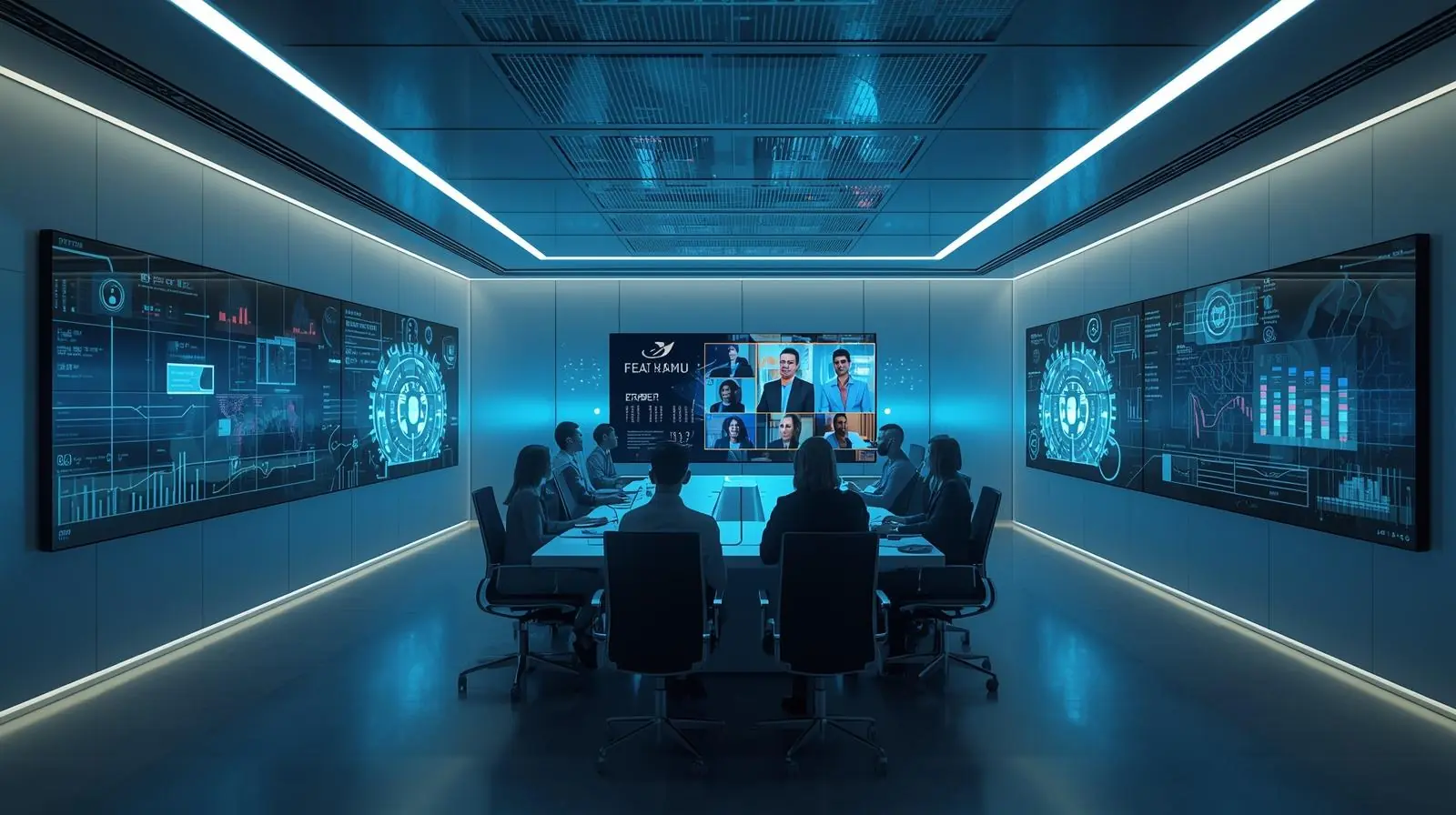
Artificial intelligence (AI) and the Internet of Things (IoT) are transforming industries across the globe. Together, they are reshaping how businesses and organisations approach audiovisual (AV) solutions. From smart meeting rooms to immersive digital signage, the convergence of AI, AV, and IoT is unlocking new levels of efficiency, personalisation, and automation.
In this blog, we explore how AI driven AV solutions powered by IoT are creating smarter environments, driving innovation in collaboration, and setting the foundation for the future of connected experiences.
The Convergence of AI, AV, and IoT
Why AI Matters in AV Solutions
AI is no longer limited to voice assistants or data analytics. In AV solutions, it is being used to analyse user behaviour, optimise system performance, and automate tasks that once required human intervention. For example:
-
AI powered cameras can auto-frame participants in video conferences.
-
Intelligent audio systems adjust sound based on room acoustics.
-
Machine learning algorithms predict maintenance needs for AV equipment.
These capabilities allow organisations to deliver smoother, more engaging audiovisual experiences.
How IoT Complements AV Technologies
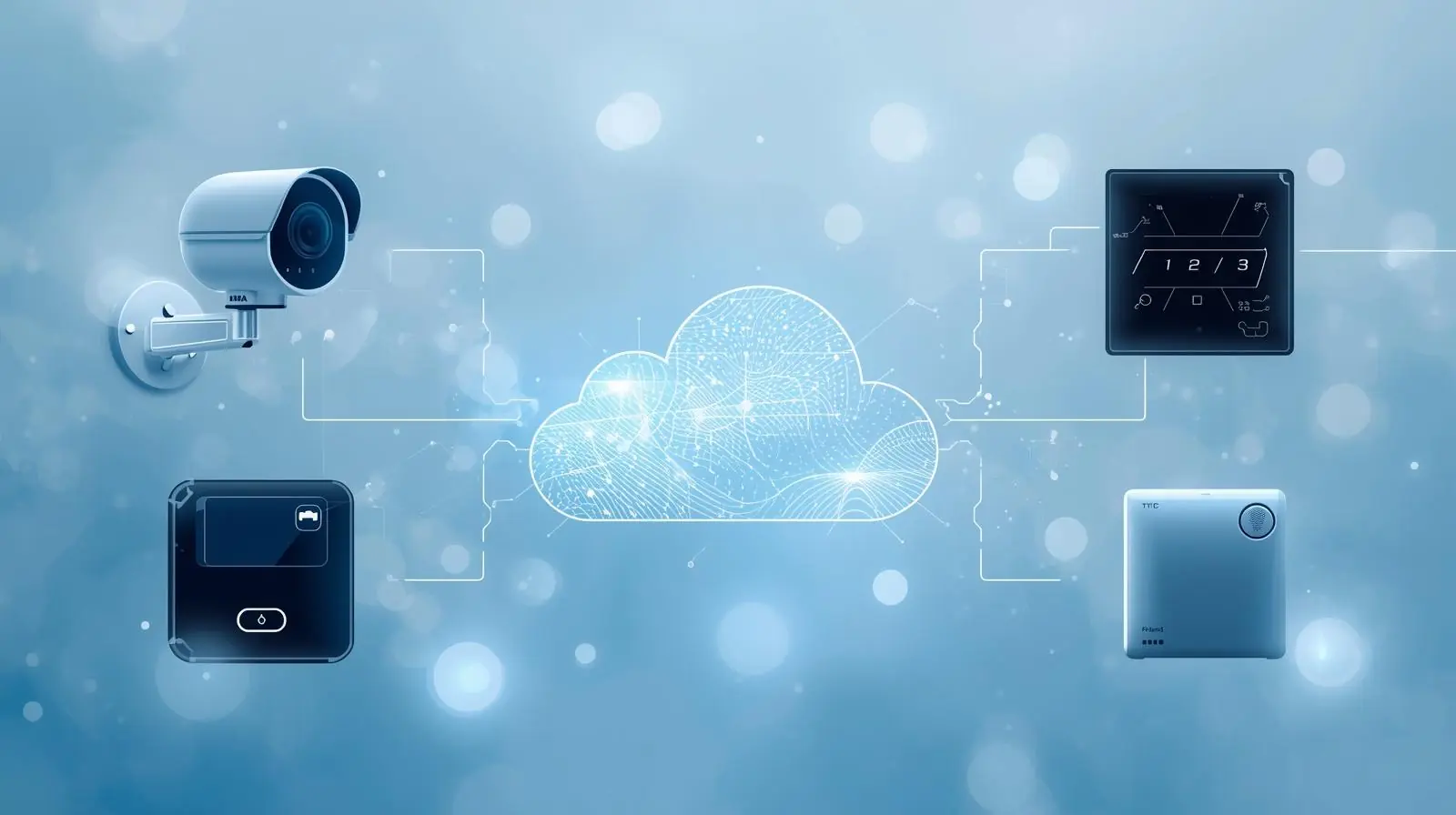
IoT expands the potential of AV by connecting devices into unified ecosystems. Every sensor, display, and microphone becomes part of a network that can share data in real time. When AV hardware is integrated with IoT, companies can:
-
Monitor device usage and system health remotely.
-
Enable seamless communication between multiple devices.
-
Automate workflows across meeting spaces, classrooms, or event venues.
This convergence enables proactive management and greater control of AV infrastructures.
AI Driven AV Solutions in Smart Workplaces
Intelligent Meeting Rooms
AI driven AV solutions combined with IoT are redefining workplace collaboration. Smart meeting rooms use IoT sensors to detect occupancy, lighting, and temperature. AI then analyses this data to adjust audio, video, and environmental settings automatically.
Key features include:
-
Voice recognition for touchless controls.
-
AI based video framing to keep participants in focus.
-
Automated scheduling and equipment readiness.
This creates frictionless collaboration while reducing wasted time on setup.
AI and IoT in Remote Work
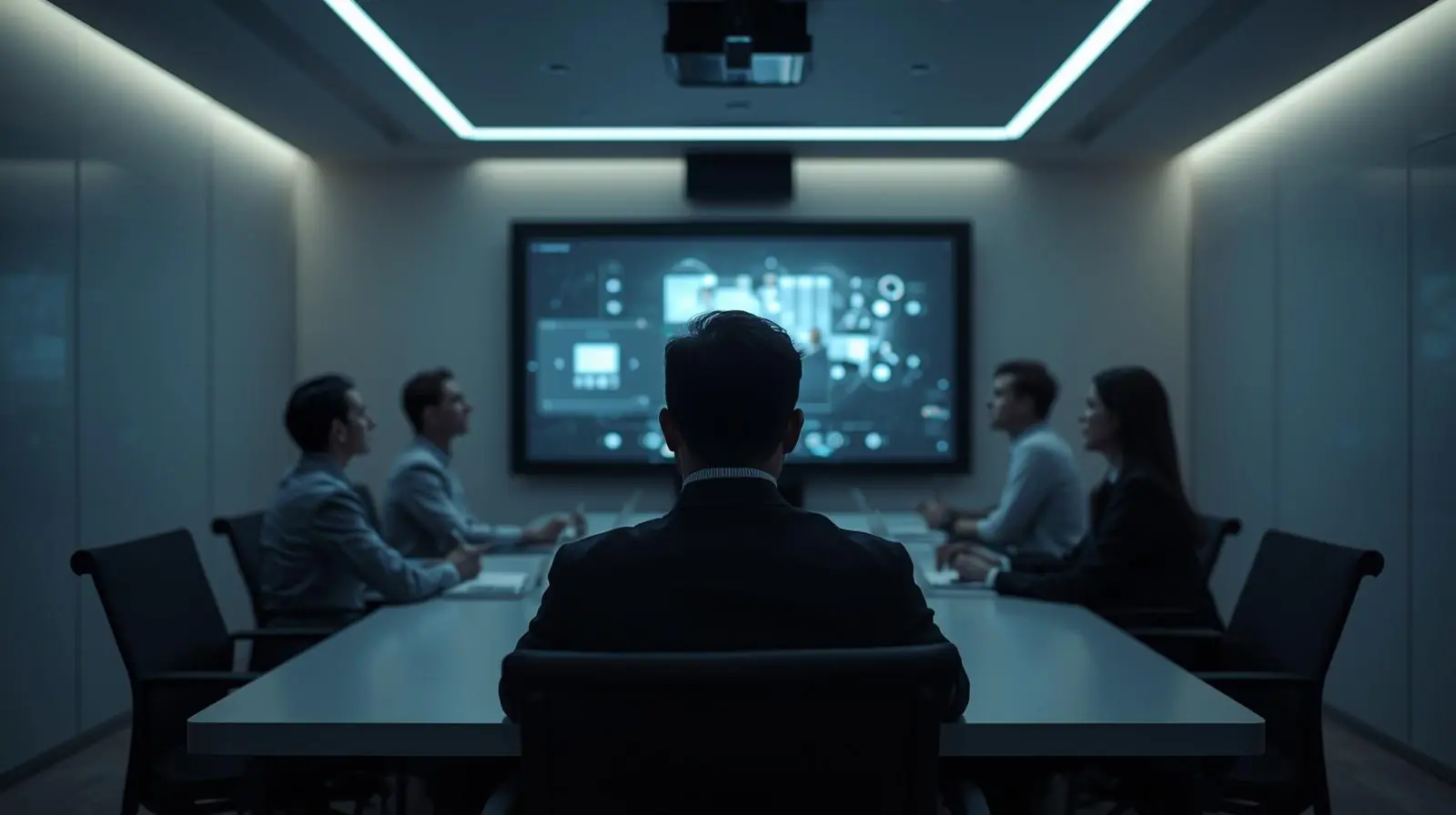
Remote and hybrid work models rely heavily on robust AV solutions. With IoT connected devices and AI powered enhancements, remote employees can experience:
-
Noise suppression that eliminates background distractions.
-
Real time translation and transcription services.
-
Automated bandwidth optimisation for video calls.
Together, these technologies ensure consistent communication regardless of location.
AI Powered AV in Smart Buildings
Predictive Maintenance with IoT Data
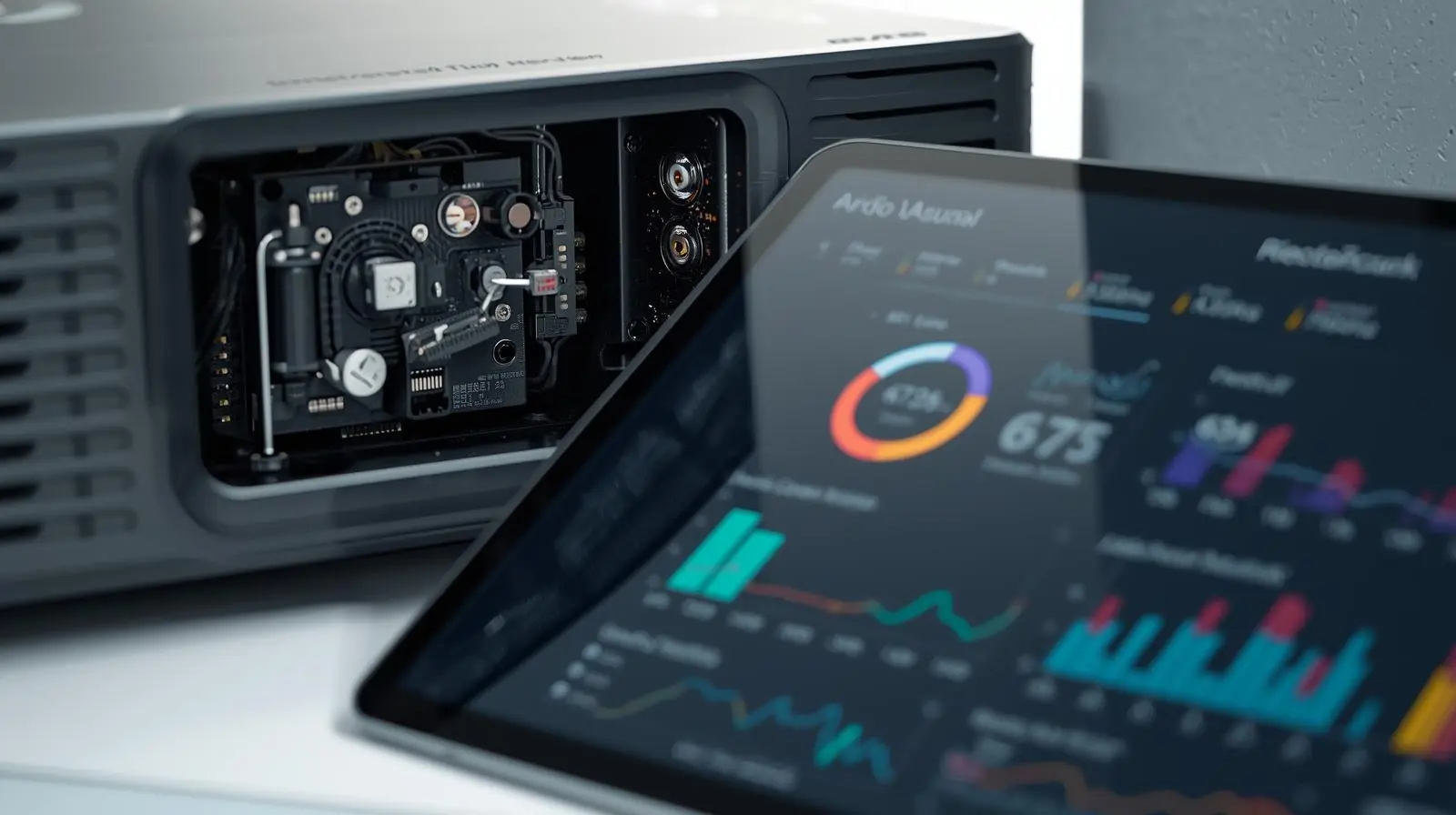
IoT sensors track performance data of AV systems, such as projectors, microphones, or displays. AI analyses this data to predict when maintenance will be required. This prevents unexpected downtime, reduces costs, and extends equipment life.
Energy Efficiency and Automation
AI driven AV solutions also contribute to sustainability. IoT connected sensors gather insights on energy usage, occupancy, and system demand. AI can then automatically:
-
Power down unused equipment.
-
Adjust lighting and audio based on real time needs.
-
Optimise energy consumption across facilities.
This combination reduces operational costs and supports environmental goals.
AI Driven Digital Signage with IoT
Personalised Engagement
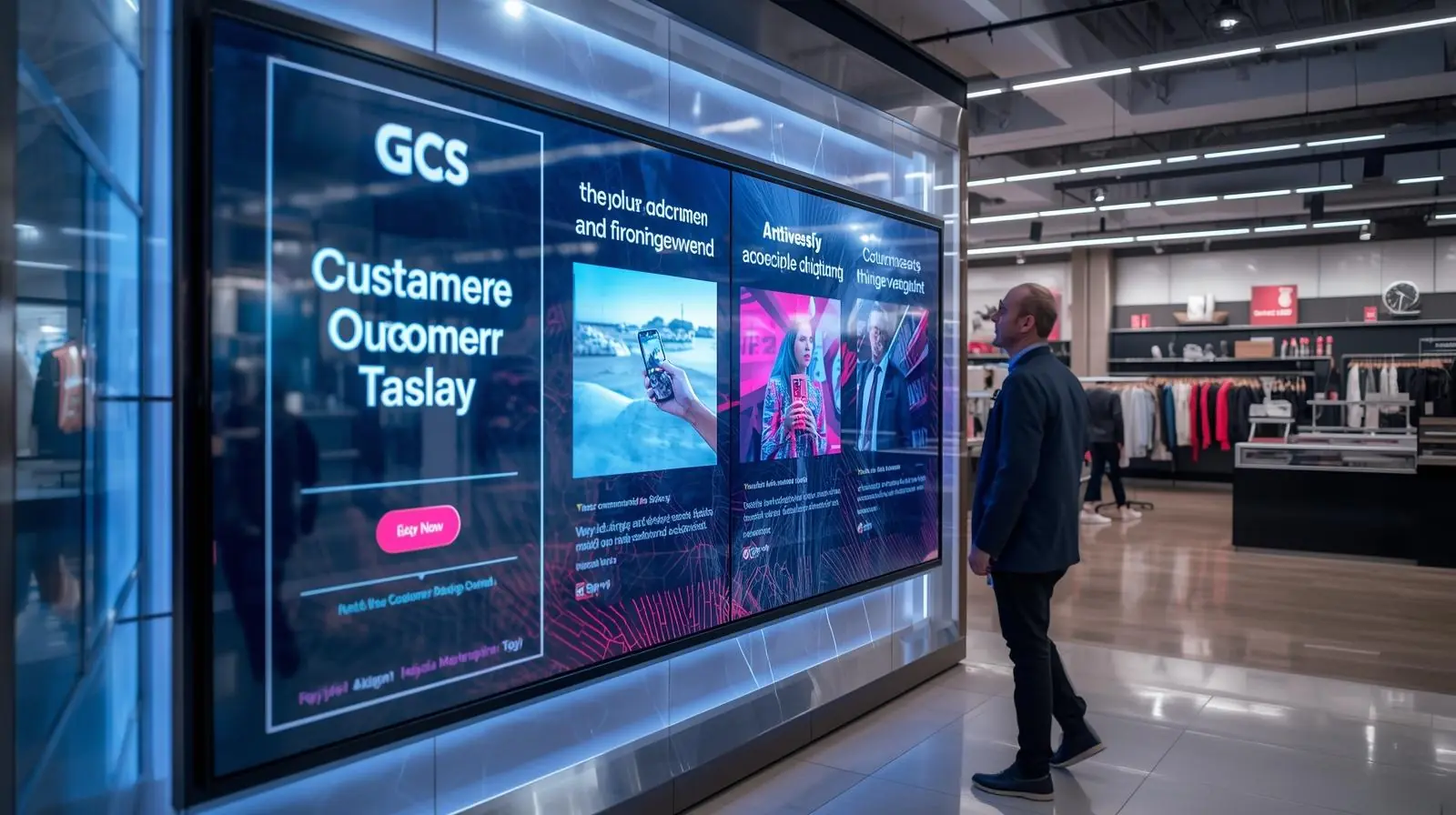
Digital signage powered by AI and IoT delivers highly targeted content. For example:
-
IoT sensors detect audience demographics and AI tailors messaging.
-
Context aware content adapts based on time, location, or customer behaviour.
-
AI analyses engagement levels to refine future campaigns.
This level of personalisation increases audience interaction and ROI for businesses.
Real Time Data Integration
IoT connectivity allows signage systems to pull real time data, such as weather, traffic, or inventory updates. AI then uses this information to deliver relevant content automatically. This ensures that displays remain dynamic and engaging at all times.
AV Security Enhanced by AI and IoT
Smarter Access Control
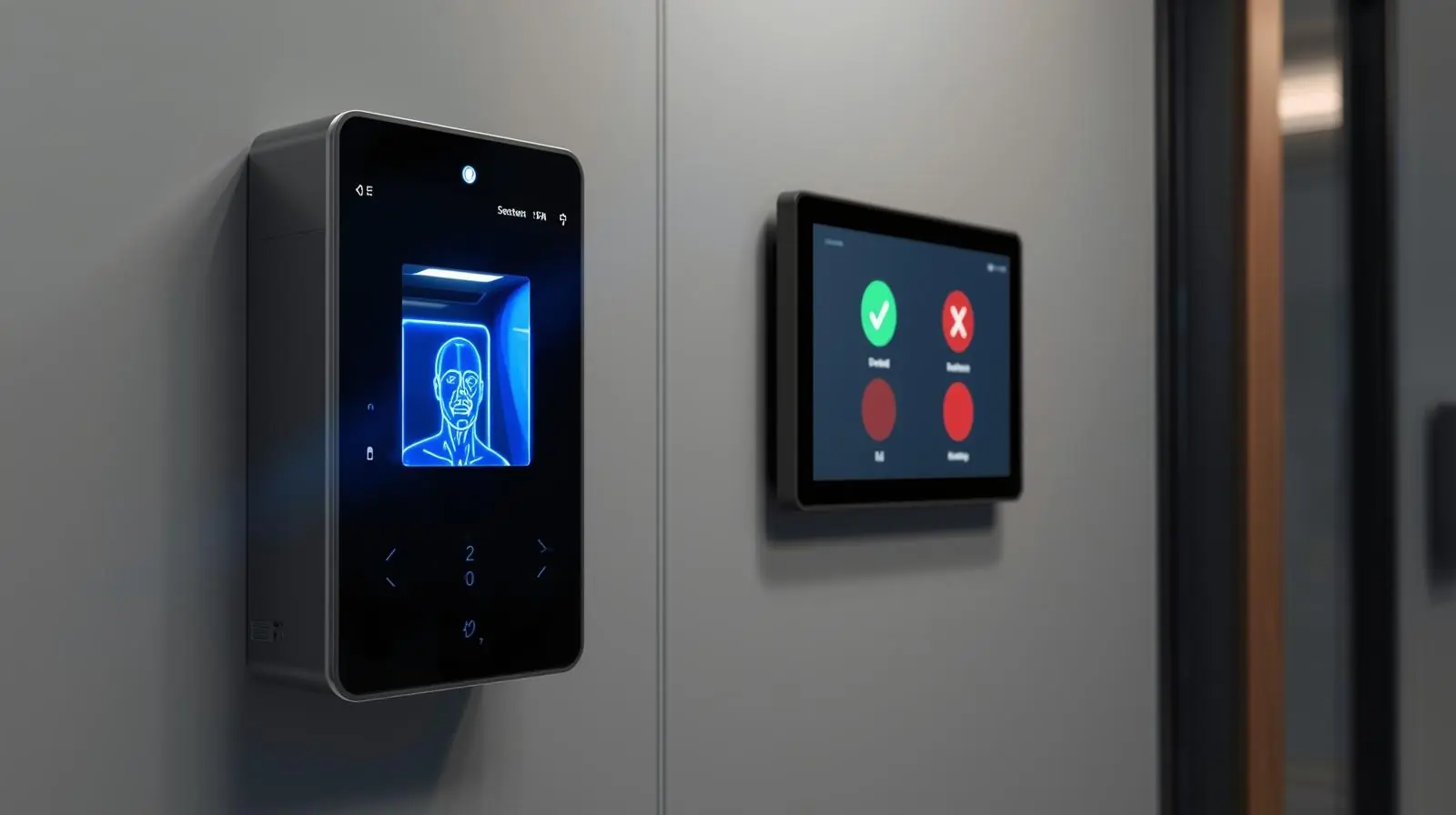
AI driven AV systems integrated with IoT enhance security within buildings. Facial recognition, biometric authentication, and intelligent cameras can control who enters sensitive spaces. IoT devices log activity, while AI ensures anomalies are flagged immediately.
Data Protection and Threat Detection
With more devices connected, cybersecurity risks increase. AI and IoT integration can detect suspicious activity in AV networks and respond proactively. Features include:
-
Continuous monitoring of connected devices.
-
Automated alerts when unusual traffic patterns occur.
-
AI algorithms that adapt to evolving security threats.
This strengthens trust and reliability in enterprise AV environments.
The Future of AI Driven AV and IoT
The future points toward even greater synergy between AI, AV, and IoT. Advancements will include:
-
Immersive AR and VR experiences powered by real time AI analysis.
-
5G integration enabling ultra low latency AV interactions.
-
More autonomous systems that self manage and optimise performance.
Businesses that adopt these solutions early will gain a competitive edge in customer engagement, operational efficiency, and workforce productivity.
Conclusion
AI driven AV solutions integrated with IoT are more than a technological upgrade. They represent a shift toward smarter, more connected, and more efficient environments. Whether in the workplace, smart buildings, or customer engagement platforms, the combination of AI and IoT is making audiovisual technology more intuitive and impactful.
Organisations that embrace this convergence will not only streamline operations but also create engaging experiences that align with the expectations of modern users. Now is the time to explore AI powered AV solutions and IoT integration to stay ahead of the curve.
Planning a project? Call 0300 8467101, email info@mediaksolutions.com or request a quote.