Exploring the Power of 360-Degree and Interactive Videos
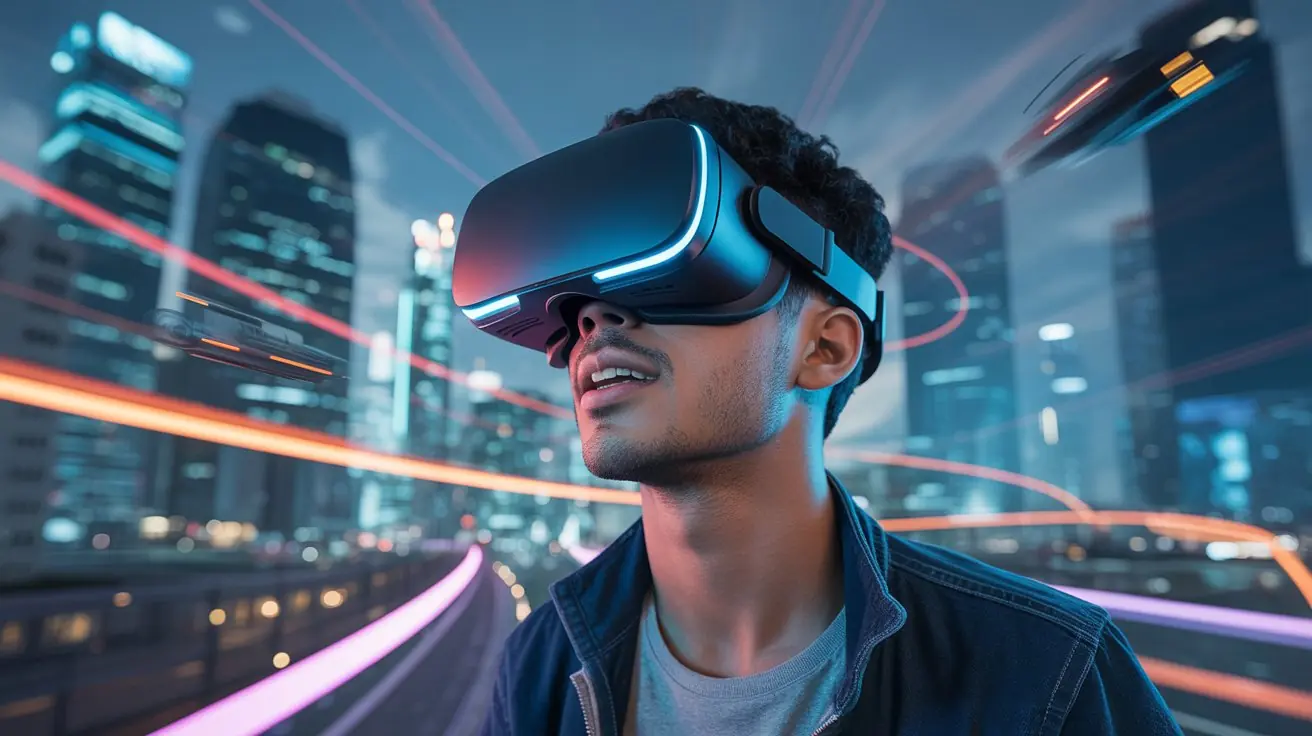
Video has become the most engaging medium on the internet, shaping how people learn, shop, and connect. Among the latest innovations are 360-degree videos and interactive videos, both designed to place viewers at the centre of the experience. Unlike traditional linear content, these formats invite audiences to explore, click, and control what they see. This creates deeper engagement, higher retention, and stronger brand impact.
As businesses compete for attention, the ability to deliver immersive and participatory content is more than a trend. It is quickly becoming an expectation. In this blog, we will explore what 360-degree and interactive videos are, how they differ, and why they matter for marketing, training, and storytelling.
What is a 360-Degree Video?
A 360-degree video captures every angle of a scene, allowing viewers to look around as if they were physically present. Using a smartphone, VR headset, or desktop, audiences can drag, tilt, or swipe to change their perspective.

Key features include:
-
Filmed with special cameras equipped with multiple lenses.
-
Viewers control the angle and direction of the video.
-
Accessible across platforms such as YouTube, Facebook, and VR apps.
This format creates a strong sense of presence, making it ideal for travel, real estate, events, and entertainment.
What is an Interactive Video?
An interactive video is a format that goes beyond passive viewing. Instead of simply watching, viewers click, choose, or respond to prompts inside the video itself.
Examples include:
-
Quizzes and polls embedded within educational videos.
-
Clickable hotspots that reveal extra information or products.
-
Choose-your-own-path storytelling where users decide what happens next.
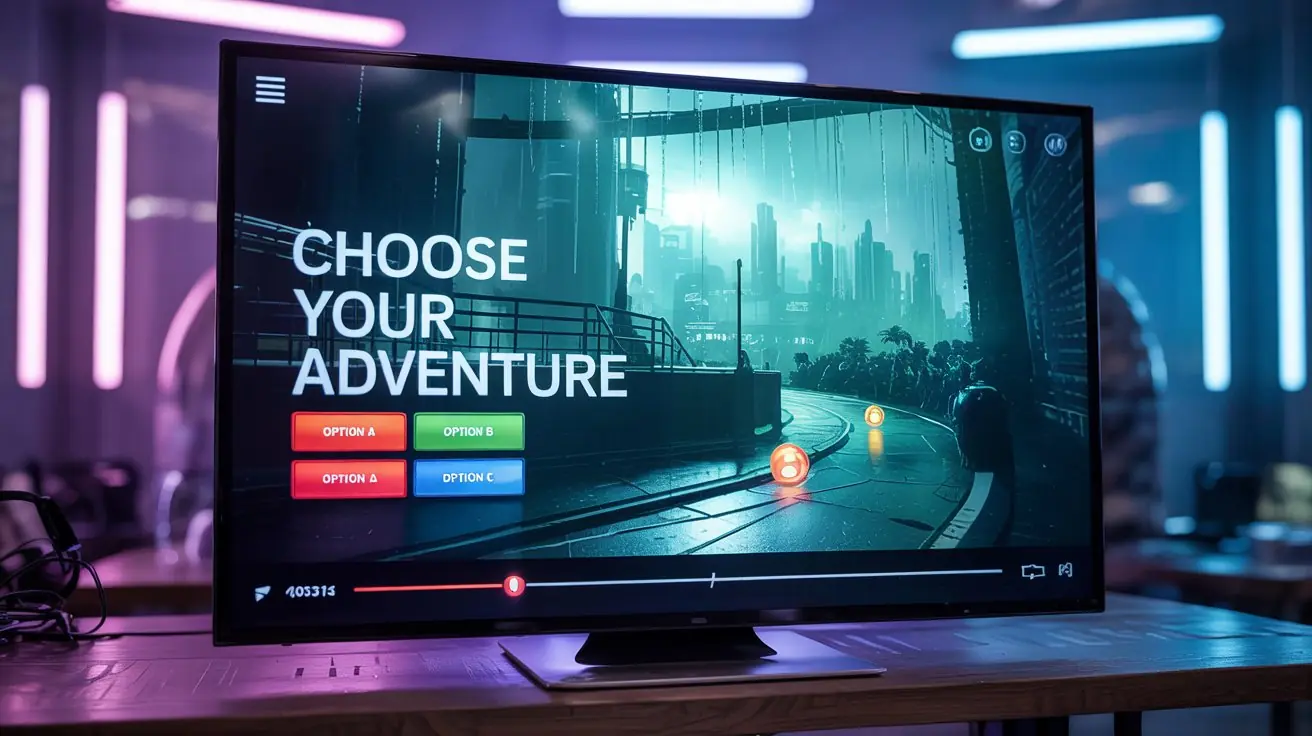
By giving audiences control over the journey, interactive videos increase engagement, drive conversions, and provide valuable behavioral insights.
Differences Between 360-Degree and Interactive Videos
While both create immersive experiences, they are not the same.
| Feature | 360-Degree Video | Interactive Video |
|---|---|---|
| Viewer Control | Adjusts viewing angle | Makes choices and interacts |
| Tools Needed | 360-camera and player support | Software for interactivity |
| Use Cases | Tourism, events, real estate | Learning, e-commerce, storytelling |
| Goal | Immersion | Engagement and participation |
Many brands combine the two, creating 360-degree interactive videos that allow viewers to explore environments while making decisions.
Benefits of 360-Degree Videos
360-degree content has grown rapidly, with platforms prioritising immersive experiences. The advantages include:
-
Stronger engagement: Viewers spend more time exploring immersive content.
-
Emotional connection: Audiences feel present, increasing recall and trust.
-
Improved storytelling: Perfect for showcasing destinations, products, or experiences.
-
VR integration: Works seamlessly with virtual reality devices for added depth.
Businesses in travel, hospitality, and real estate especially benefit from showcasing spaces in an authentic, interactive way.
Benefits of Interactive Videos
Interactive videos focus on two-way communication, turning viewers into participants. The key benefits are:
-
Higher retention: Interactive learning increases knowledge retention rates.
-
Boosted conversions: Viewers who interact with content are more likely to buy.
-
Valuable insights: Every click provides data on preferences and behaviours.
-
Personalised experiences: Viewers choose what matters to them.
This makes interactive content particularly effective in e-commerce, training, and online courses.
How Businesses Use 360-Degree and Interactive Videos
Marketing and Advertising
Brands are leveraging immersive video to cut through digital noise. For example:
-
Automotive companies let users explore car interiors.
-
Real estate firms offer virtual property tours.
-
Event organisers showcase live experiences to remote audiences.
E-Commerce
Interactive product videos enable customers to rotate, explore, and click for more information. This reduces uncertainty and drives faster purchase decisions.
Training and Education
Interactive and 360-degree content is transforming learning. Simulated environments provide hands-on training while quizzes and branching scenarios keep learners active. Industries like healthcare, aviation, and corporate training rely heavily on these tools.
Tourism and Hospitality
Hotels, resorts, and travel agencies use 360-degree tours to inspire bookings. Interactive features like clickable hotspots add room details, amenities, and booking options directly inside the video.

Best Practices for Creating 360-Degree and Interactive Videos
To achieve the best results, businesses should follow these practices:
1. Define Clear Goals
Decide if the goal is brand awareness, sales, or training. The format should match the outcome.
2. Optimise for Multiple Devices
Ensure videos work seamlessly across mobile, desktop, and VR headsets.
3. Keep Navigation Simple
Users should feel in control without confusion. Avoid overloading the video with too many options.
4. Use Storytelling Techniques
Even with interactivity, storytelling is crucial. Guide viewers with prompts, voiceovers, or cues.
5. Analyse and Refine
Track viewer engagement and interactions to refine future content strategies.
The Future of 360-Degree and Interactive Video
As technology advances, these formats will become mainstream. Integration with augmented reality, artificial intelligence, and personalised recommendations will make immersive content even more powerful.
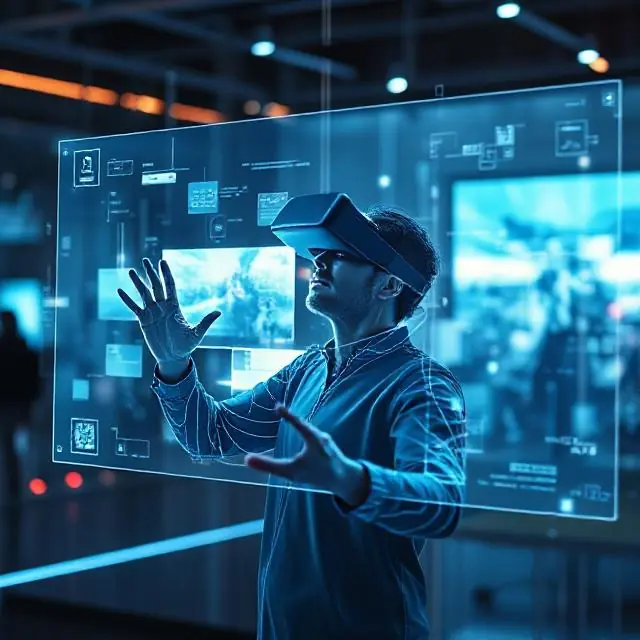
For marketers, educators, and creators, investing in these tools now ensures a competitive edge. With audiences craving experiences over static information, the demand for interactive and immersive video will only continue to grow.
Conclusion
360-degree and interactive videos are reshaping how businesses connect with audiences. They deliver immersion, engagement, and measurable results across industries. From marketing to education, these formats give viewers the power to explore, interact, and decide.
If you want to stand out in a crowded digital world, now is the time to embrace immersive video. Start small, experiment with formats, and let your audience guide the evolution of your content strategy.
Ready to create powerful interactive or 360-degree videos? Start exploring tools and platforms that can bring your vision to life today.
Planning a project? Call 0300 8467101, email info@mediaksolutions.com or request a quote.