Personalised Headphone Audio and AI Search: The Future of Listening
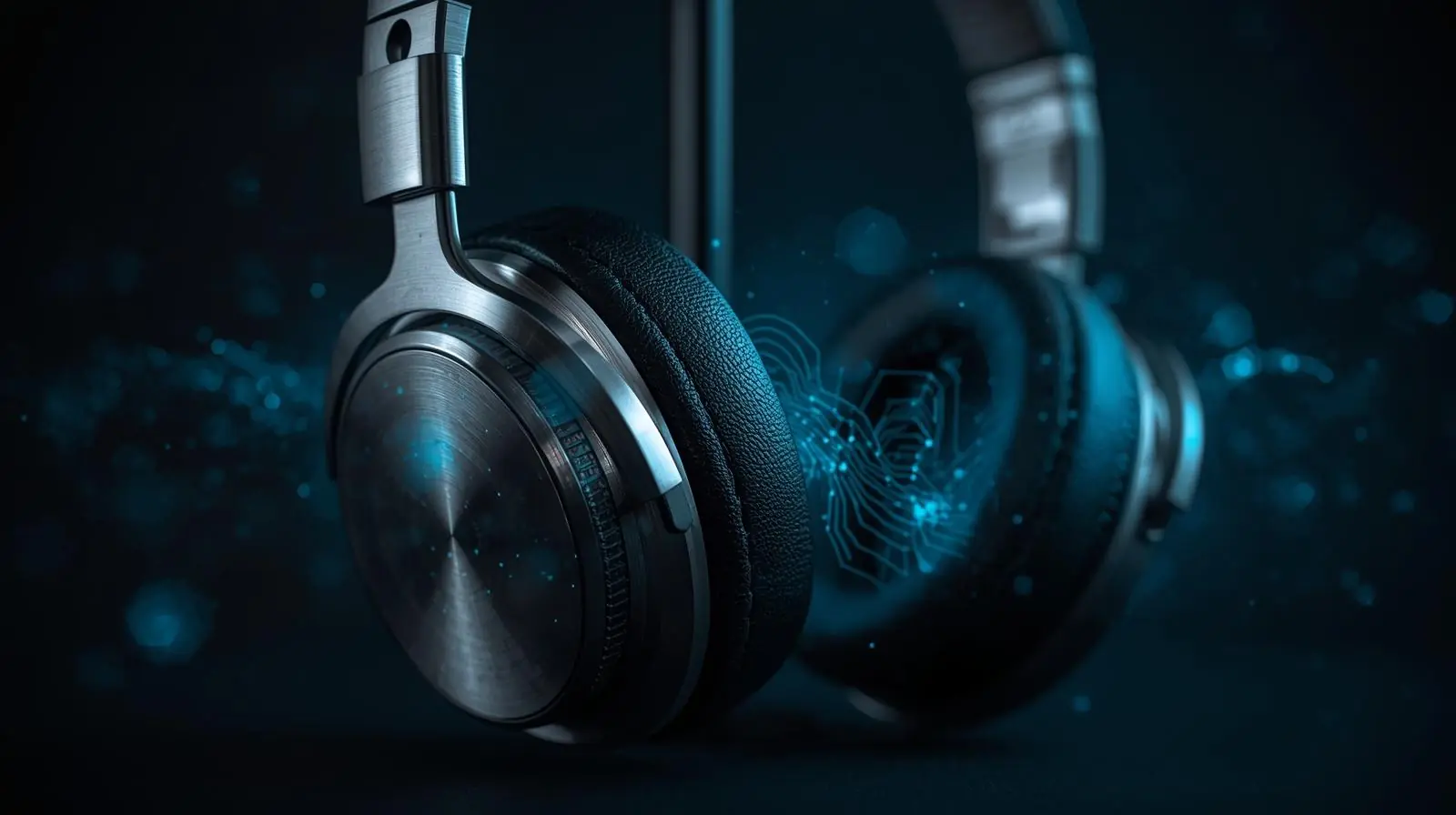
In the age of digital transformation, audio experiences are no longer one-size-fits-all. Consumers are demanding personalisation across every touchpoint, from the music they stream to the way their devices adapt to their preferences. Two key technologies are shaping this shift: personalised headphone audio and AI search. Together, they are redefining how we discover, enjoy, and interact with sound.
Headphones have evolved beyond delivering simple sound quality. With adaptive tuning, biometric analysis, and AI-powered processing, audio is now tailored to the individual listener. At the same time, AI search is revolutionising how users find and control audio content. Instead of endless scrolling, a simple voice query or contextual search can deliver exactly what the listener wants. This blog explores how personalised headphone audio and AI search are converging to transform user experiences.
What is Personalised Headphone Audio?
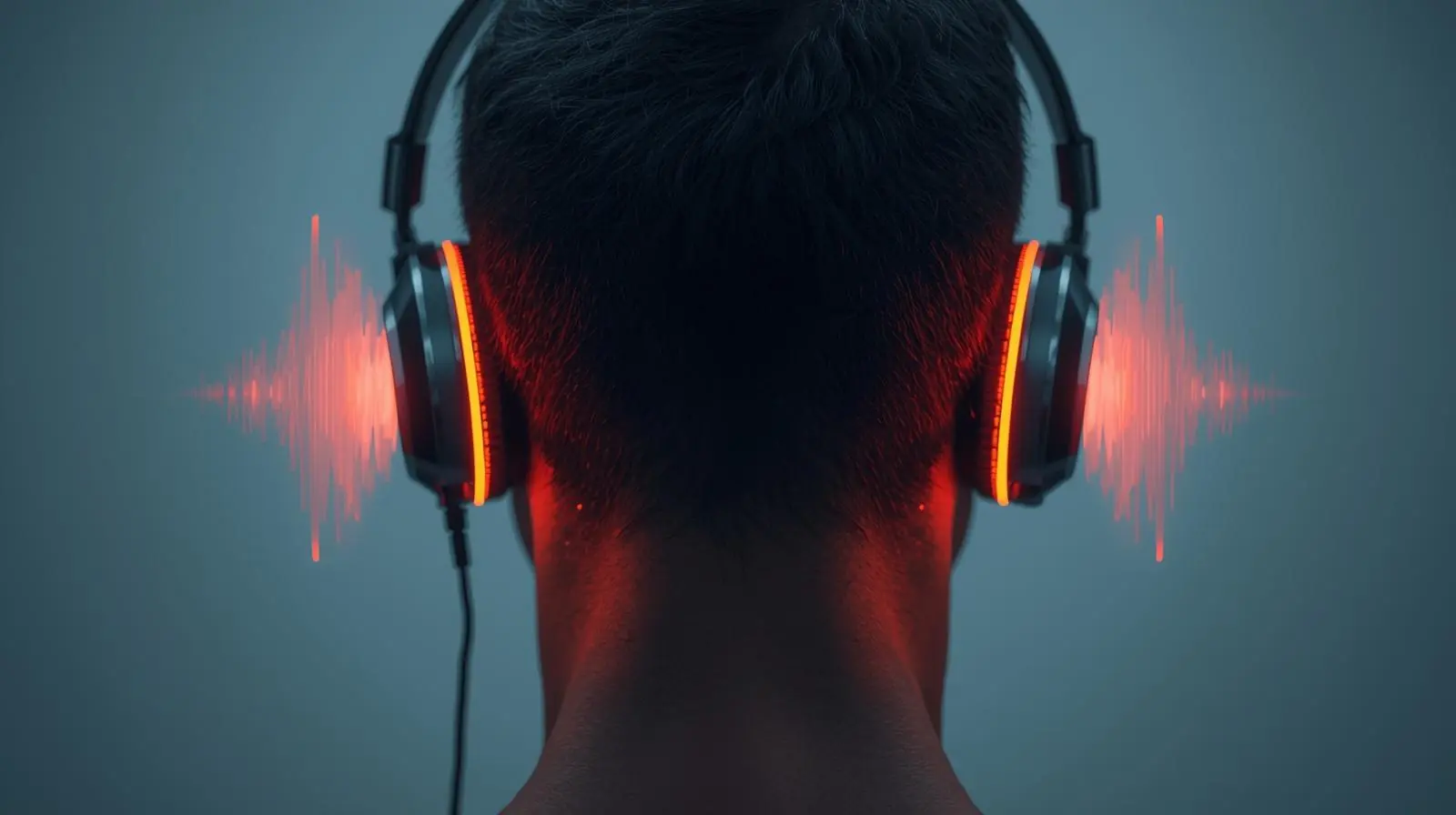
Personalised headphone audio refers to technology that adapts sound output based on the unique hearing profile of each user. Instead of generic sound signatures, headphones now adjust frequencies, volume, and spatial effects to create a custom experience.
Key Features of Personalised Audio
Hearing profile calibration: Some headphones use a hearing test to map sensitivity across frequencies.
Adaptive EQ: Automatic equalisation that adjusts in real time depending on listening environment.
Spatial audio optimisation: Creates immersive sound tailored to ear shape and head movement.
Biometric integration: Monitors heart rate or body responses to fine-tune listening comfort.
This personalised approach not only enhances clarity but also reduces listening fatigue, making long sessions more enjoyable.
Why Personalised Headphone Audio Matters
The demand for personalised sound experiences is driven by changing consumer expectations. People now want technology to respond to their individual needs rather than delivering generic outputs.
Benefits for Listeners
Improved clarity and balanced frequencies
Reduced risk of hearing strain
More immersive audio for music, gaming, and movies
Custom comfort for long listening sessions
Benefits for Brands
Higher customer loyalty due to unique experiences
Opportunities for upselling premium audio models
Differentiation in a crowded headphone market
Personalised headphone audio is no longer just a luxury feature. It is becoming a standard expectation in premium and even mid-tier devices.
The Role of AI Search in Audio Experiences
While personalisation improves sound quality, AI search improves accessibility to content. Traditional search in music apps or podcast platforms often requires scrolling, typing, or navigating menus. AI search changes that.
How AI Search Works in Audio
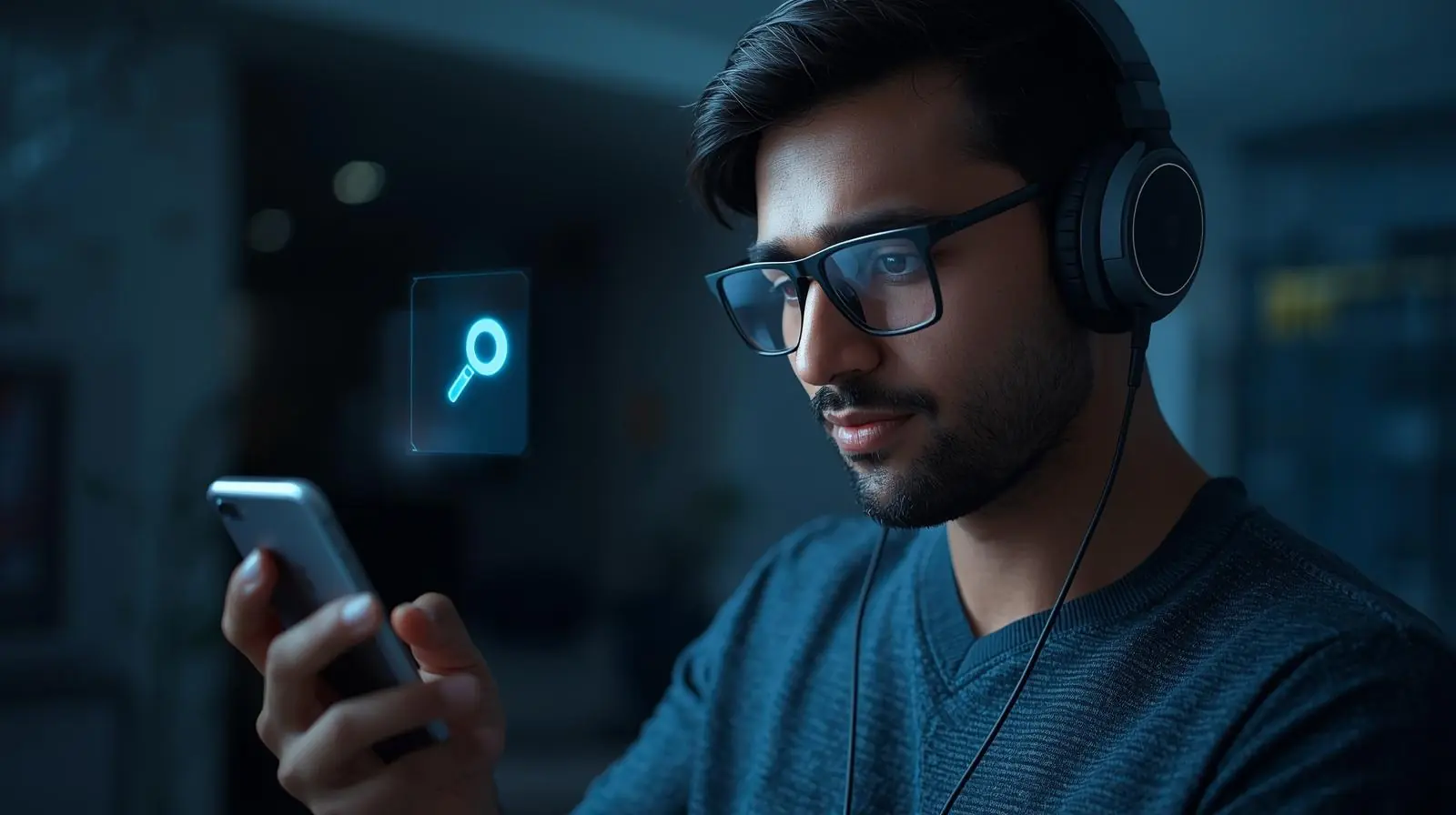
Voice search: Users speak commands like “Play relaxing piano music” or “Find podcasts about AI in healthcare.”
Contextual recommendations: AI analyses past listening habits to recommend new tracks or playlists.
Semantic understanding: Instead of matching keywords, AI interprets intent behind queries.
Multi-device integration: AI search spans across headphones, smart speakers, and mobile devices.
For users, this means less effort and faster access to the right audio. For brands, it provides valuable data about listener preferences.
Personalised Headphone Audio Meets AI Search
The true potential lies in combining these two innovations. Personalised headphone audio and AI search together create seamless, intelligent, and adaptive listening.
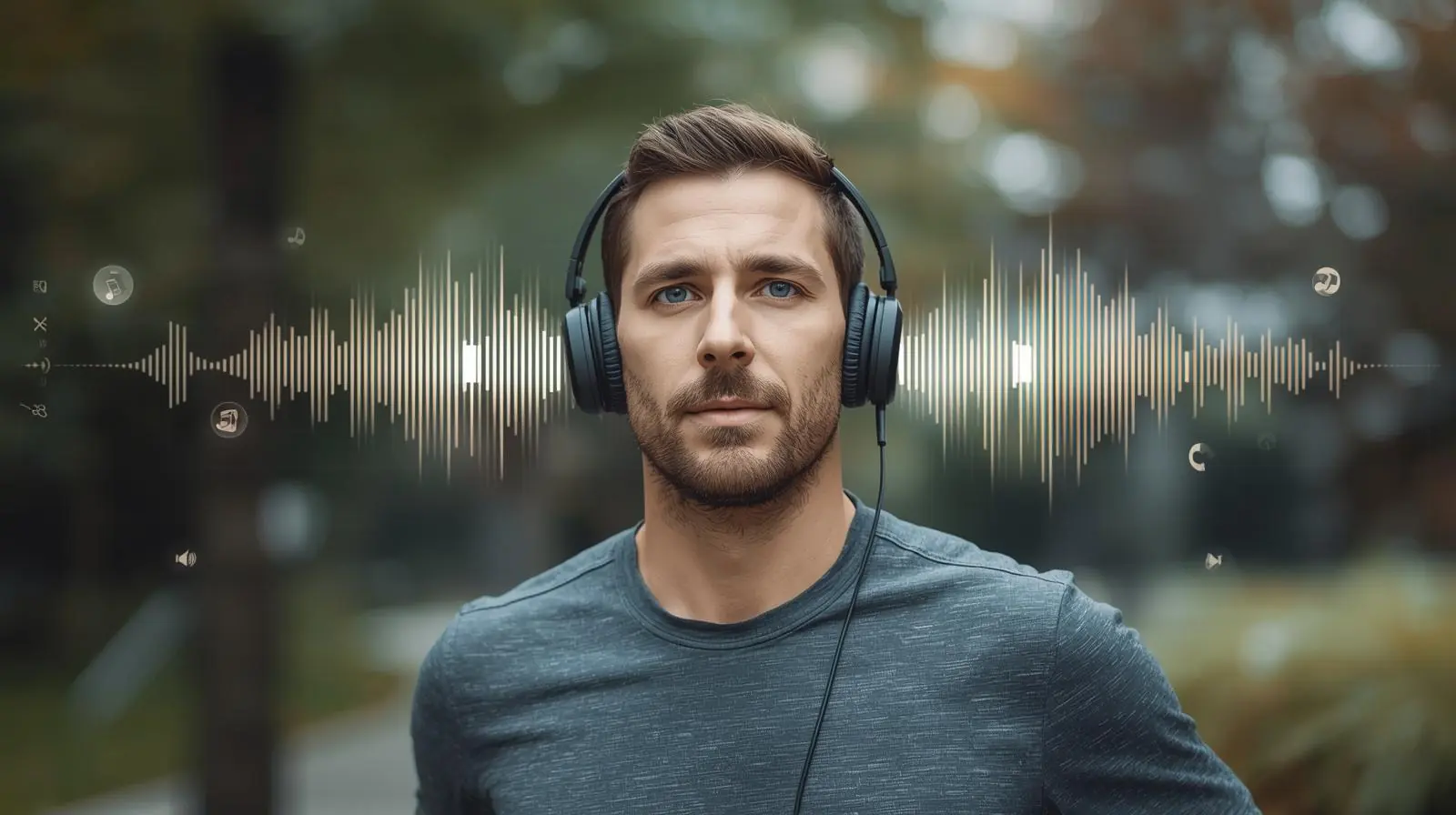
Example Use Cases
A user says, “Play my workout playlist with boosted bass,” and the headphones adjust audio output while AI search finds the playlist.
Someone requests, “Find a calming podcast for sleep,” and the system not only retrieves relevant podcasts but also adjusts EQ for a softer tone.
Gamers can ask for “Best spatial settings for FPS games” and instantly switch to optimised personalised sound.
This synergy eliminates friction between searching for content and experiencing it in the best possible way.
How Brands are Leveraging These Technologies
Several headphone and audio brands are already investing in personalised audio and AI-driven search.
Market Trends
Adaptive sound systems in premium headphones
AI-powered music discovery engines in streaming apps
Integration with voice assistants such as Alexa, Google Assistant, and Siri
Partnerships between headphone makers and streaming platforms
These trends highlight a shift where personalisation and intelligence are no longer separate features but part of one cohesive ecosystem.
The Impact on User Experience
The integration of personalised headphone audio and AI search creates a user experience that is:
Effortless: Listeners spend less time searching and more time enjoying.
Customised: Every user hears sound optimised for their unique profile.
Immersive: Spatial audio combined with contextual recommendations increases engagement.
Future-ready: Scalable across entertainment, education, and professional settings.
For example, a student using personalised audio can focus better during online lectures, while an audiophile can enjoy a concert-like experience tailored to their hearing.
Challenges and Considerations
Like any technology, adoption comes with challenges.
Potential Barriers
Privacy concerns: Biometric and listening data must be secured.
Cost: Advanced personalisation may be limited to higher-end products.
Standardisation: Lack of universal frameworks across brands may slow integration.
Accuracy: AI search still needs refinement to understand complex or nuanced queries.
Despite these challenges, continuous innovation and consumer demand are driving rapid improvements.
Future of Personalised Audio and AI Search
Looking ahead, the combination of personalised headphone audio and AI search will likely expand beyond entertainment.
Possible Applications
Healthcare: Personalised audio therapy for tinnitus or hearing loss.
Education: Adaptive sound for language learning and immersive study sessions.
Workplace: AI-driven noise cancellation tailored to office environments.
Virtual reality: Real-time personalised 3D sound powered by AI.
As hardware becomes more affordable and AI models grow smarter, these features will become mainstream.
Conclusion: The Next Era of Listening
Personalised headphone audio and AI search are transforming the way people interact with sound. Personalised audio ensures that every listener hears what they love in the way they prefer, while AI search removes friction from finding content. Together, they create an audio experience that is intelligent, adaptive, and deeply human-centred.
For consumers, this means more immersive listening with less effort. For brands, it opens doors to deeper engagement and long-term loyalty.
Now is the time for businesses, developers, and creators to explore how these technologies can be integrated into products and services. The future of listening is personal, and AI search is the gateway to making it effortless.
Planning a project? Call 0300 8467101, email info@mediaksolutions.com or request a quote.