- Call / Whatsapp : +92 321 8467 101
- PKR - Pakistan

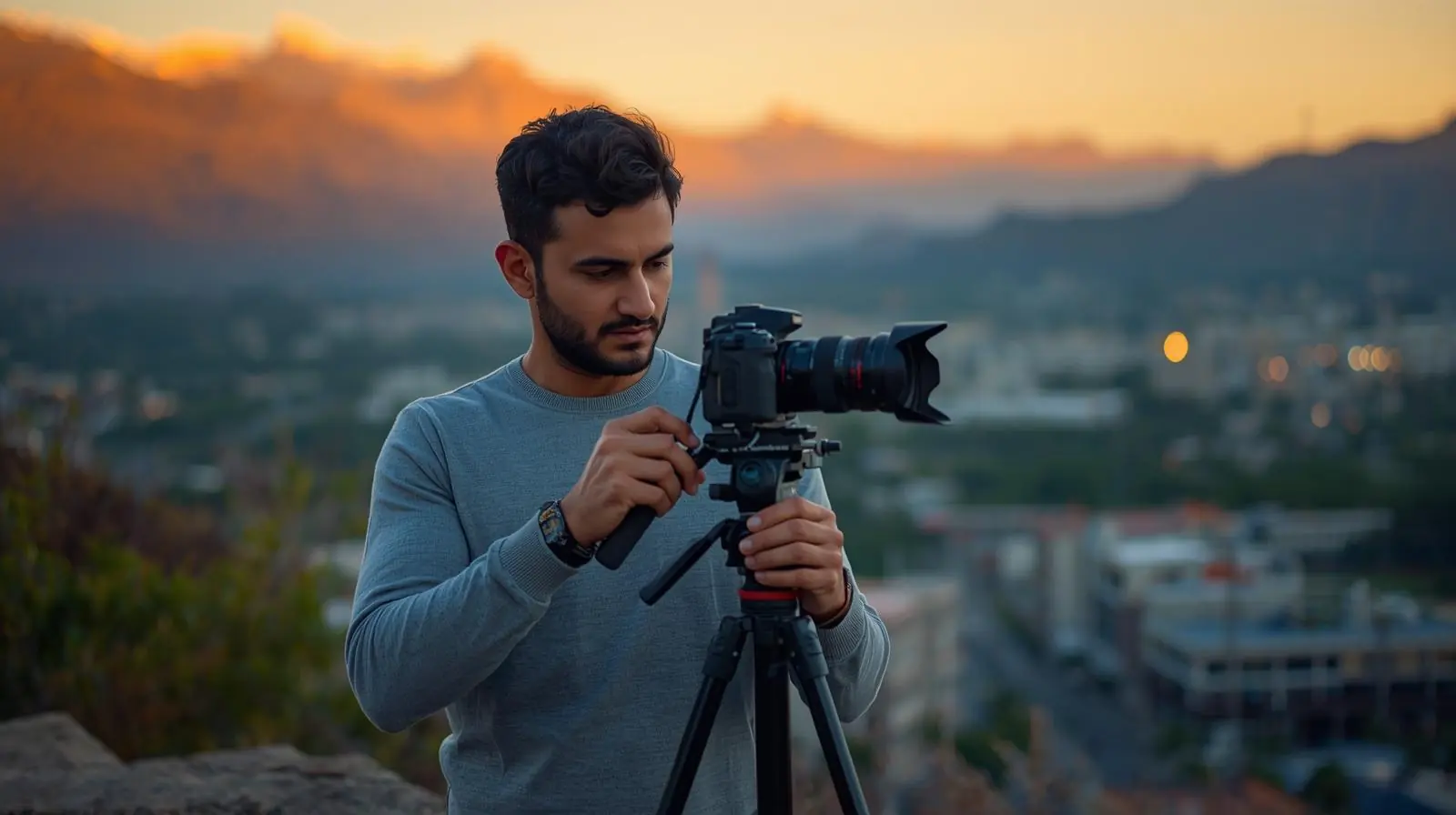
In the world of photography and videography, precision and stability are everything. Whether you are capturing landscapes at dawn, shooting product photos in a studio, or recording a cinematic video sequence, a professional tripod can make the difference between a good shot and a perfect one. Unlike entry-level options, professional tripods offer superior stability, versatility, and durability, all of which are essential for producing consistently sharp and high-quality images.
Professional tripods are more than just tools to hold your camera still. They are designed to enhance creativity, support heavy equipment, and handle challenging shooting environments. In this guide, we’ll explore what defines a professional tripod, the key features to look for, how to choose the best one for your needs, and how to get the most out of your investment.
A professional tripod is built to handle advanced camera systems and demanding shooting conditions. Unlike lightweight travel tripods, professional-grade models are engineered for precision and long-term use.

Here’s what sets them apart:
Superior Load Capacity: Designed to support heavy DSLR, mirrorless, and cinema cameras with large lenses.
Exceptional Stability: Engineered to eliminate vibrations and ensure sharp, blur-free images.
Premium Materials: Constructed from carbon fiber or aluminum alloys that offer strength without excessive weight.
Advanced Adjustability: Features like fluid heads, adjustable leg angles, and quick-release plates for flexibility in any setting.
Longevity: Built to last through years of professional use, often with replaceable parts and extended warranties.
In short, a professional tripod is not just an accessory, it’s an essential component of a reliable photography or videography setup.
When investing in a professional tripod, understanding the critical features will help you choose wisely.
The material determines how stable and portable your tripod is.
Carbon Fiber: Lightweight, strong, and resistant to vibrations. Ideal for outdoor and travel photography where portability matters.
Aluminum: Heavier but more affordable. Excellent for studio use where stability takes priority.

If you shoot in windy environments or carry heavy equipment, carbon fiber offers the best balance between strength and weight.
Professional tripods must support your camera, lens, and accessories without wobbling. Always check the manufacturer’s specified load capacity and choose a tripod that supports at least 1.5 times your total gear weight.
Example: If your camera setup weighs 4 kg, aim for a tripod rated for at least 6 kg.
The tripod head determines how smoothly you can adjust and control your camera.

Common types include:
Ball Heads: Provide quick movement in multiple directions, ideal for photography that requires fast composition changes.
Pan-and-Tilt Heads: Offer precise control for still photography, architectural work, and macro shots.
Fluid Heads: Designed for videography, providing smooth motion for professional-grade panning and tilting.
Choose a head type that matches your shooting style. For hybrid creators, interchangeable heads are a valuable feature.
The way tripod legs lock and adjust affects both setup time and stability.
Twist Locks: Compact and secure, common on high-end carbon fiber tripods.
Flip Locks: Quick to use, ideal for photographers who frequently adjust height.
Look for tripods with independently adjustable legs, which allow shooting on uneven terrain or at creative angles.
Your tripod should extend high enough for comfortable shooting but also allow low-angle flexibility.
Maximum Height: Ensure it reaches your eye level for comfortable composition.
Minimum Height: A reversible or removable center column enables ground-level shots for macro or creative perspectives.
Professional tripods often feature a hook at the bottom of the center column, allowing you to hang a weight for extra stability in windy conditions.
While professional tripods are generally more robust, portability still matters. Lightweight models with quick setup mechanisms can make a big difference during location shoots or travel assignments.
Consider a tripod that folds compactly but doesn’t compromise on height or load capacity.
A professional tripod can transform your photography or filmmaking experience. Here are common scenarios where they excel:

Capturing the perfect sunrise or long exposure shot requires absolute stability. Professional tripods minimize vibration, even in strong winds, allowing you to create tack-sharp images with balanced composition.
In a studio setting, precision is critical. A sturdy tripod keeps your camera fixed while you adjust lighting or product placement, ensuring consistent framing across multiple shots.
Smooth motion is vital for professional video work. Tripods with fluid heads enable cinematic panning and tilting, while heavy-duty builds support larger video rigs and accessories.
Close-up photography demands precision. Professional tripods with flexible leg positioning and fine-tuning adjustments help maintain sharp focus on minute details.
Long exposure astrophotography relies heavily on absolute steadiness. A professional tripod ensures that your camera remains motionless for extended periods, crucial for capturing stars and celestial events clearly.
With so many models on the market, selecting the right professional tripod can feel overwhelming. Use these factors to guide your choice:
Are you shooting video, portraits, or landscapes? Each style has different tripod requirements. Videographers should prioritize fluid heads, while photographers might prefer ball heads for flexibility.
Outdoor photographers need lightweight, weather-resistant tripods. Studio photographers can benefit from heavier aluminum tripods that offer rock-solid stability.
If you frequently travel, choose a tripod that folds compactly and fits into a standard camera bag. Many professional tripods now feature foldable legs that wrap around the center column for easier transport.
Professional tripods can range from mid-tier to premium pricing, but consider them a long-term investment. A high-quality tripod can outlast multiple camera bodies and lenses over your career.
Whenever possible, test a tripod in person. Check how easily it adjusts, whether the locks feel secure, and how stable it remains under load. The tactile feel can reveal much about its real-world performance.
To maximize your tripod’s potential, follow these best practices:
Extend the thicker leg sections first for greater stability.
Avoid raising the center column unless absolutely necessary; it can reduce steadiness.
Use a remote shutter release or timer to eliminate camera shake.
Hang a stabilizing weight from the center hook in windy conditions.
Keep tripod feet clean to prevent dirt from affecting locks or joints.
Regularly maintain your tripod with lubrication and cleaning for long-term reliability.
A well-maintained professional tripod can deliver peak performance for years, even in demanding conditions.
Modern tripod technology is evolving rapidly to meet the needs of hybrid content creators. Some emerging features include:
Modular systems that allow swapping legs, heads, and center columns.
Integrated leveling bases for fast setup on uneven terrain.
Compact folding mechanisms for easier portability without sacrificing strength.
Built-in smartphone mounts for content creators who switch between camera and mobile shooting.
As technology advances, professional tripods continue to combine precision engineering with user-friendly innovation.
A professional tripod is one of the most valuable investments any serious photographer or videographer can make. It ensures your creative vision is executed with precision, consistency, and control. From supporting heavy camera setups to enabling smooth cinematic motion, the right tripod empowers you to capture your best work, every time.
When choosing your professional tripod, focus on stability, load capacity, material, and adjustability. Think of it as a long-term partner in your creative journey, one that guarantees you never compromise on image quality or professionalism.

Ready to elevate your photography? Explore professional tripod options that suit your shooting style, invest in durability, and experience the confidence that comes with absolute stability behind the lens.
We are proud of the quality of service we provide for all orders and questions from customers. Our customer care team's combined experience and skills, together with our wide choice of products and quick order fulfilment, have helped us establish a solid reputation for providing excellent customer support & service.
Any Query Related Sales
09:00AM to 06:00PM
We welcome comments and feedback about how easy you find the Media k Solutions website to use, which can be communicated by clicking on the Contact Page. If you have questions about delivery, products, service or anything else for that matter, please contact us via live-chat, during office hours, email or telephone. Thanks

 en-gb
en-gb Germany